You’ve had long days, and you want dinner that feels like a small kindness — comforting, bright, and effortless. This short guide shows you how to turn plain grains into a golden, aromatic side that lifts any meal without extra pans or fuss.
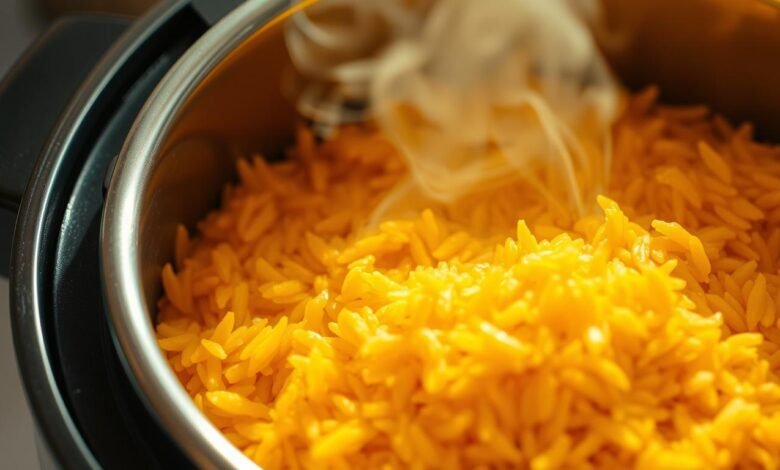
Set it, forget it, and come back to fluffy results. With a few pantry staples and the White/Regular setting on your rice cooker, you’ll get steady timing and even steaming. Rinsing until the water runs clear helps prevent stickiness, and a 5–10 minute rest on Keep Warm finishes the texture perfectly.
You’ll learn the right ratios, when to add broth for deeper savory flavors, and simple tips for buttery or olive oil finish. Whether you’re prepping for family dinner or meal prep, this friendly recipe makes a colorful, dependable dish you’ll reach for again.
Key Takeaways
- Use the White/Regular setting on your rice cooker for consistent results.
- Rinse grains until water runs clear to keep them fluffy and separate.
- Swap water for broth to boost savory flavors with no extra work.
- Let the pot rest 5–10 minutes on Keep Warm before fluffing.
- Simple pantry items and short time make this a weeknight favorite.
Why you’ll love making turmeric rice in a rice cooker today
Let the machine do the heavy lifting: a few quick steps give you a fragrant, golden side with almost no stove time.
Prep takes only minutes: rinse the grains, add turmeric and aromatics, choose the White/Regular setting, and walk away.
The cooker finishes the job and flips to Keep Warm. Resting for 5–10 minutes improves texture and makes each grain fluffy.
- You spend a few minutes prepping, then let the appliance handle the cooking for consistent results.
- The final dish is vibrant and aromatic, lifting any main without stealing attention.
- Use pantry spices for big flavors and also use broth or water depending on how savory you want the result.
- Cleanup is simple because everything cooks in one removable pot—easy rinsing and quick storage.
| Benefit | Why it helps | Quick tip |
|---|---|---|
| Hands-off cooking | Less watch time, steady heat | Choose White/Regular |
| Consistent texture | Even steaming and rest period | Let rest 5–10 minutes |
| Flavor boost | Spices infuse each grain | Swap water for broth |
Ingredients and equipment at a glance
Gather your essentials before you start. A short list keeps prep fast and the results consistent. Measure with a standard US cup so ratios work in your pot.
Core picks
- 1 cup long‑grain or basmati rice and about 1½ cups water or broth.
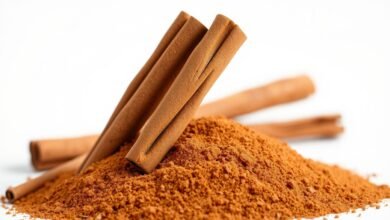
- ½ teaspoon turmeric powder, a bay leaf, a pinch of salt, and minced garlic.
- 1 tablespoon butter or olive oil to add fat and help flavors bloom.
Easy swaps
Butter gives a richer finish; olive oil keeps it dairy-free. Use vegetable broth to stay vegan or chicken broth for more savory depth.
What your rice cooker needs
Use the White/Regular setting on most machines and a nonstick pot for easy cleanup. When the cycle ends, let it rest on Keep Warm for 5–10 minutes before fluffing with a fork.
| Item | Amount | Notes |
|---|---|---|
| Long‑grain or basmati | 1 cup | Rinse until water runs clear |
| Liquid | 1½ cups | Water or broth |
| Spices & aromatics | ½ tsp turmeric, pinch salt, garlic | Bay leaf optional |
Step-by-step: how to cook turmeric rice in rice cooker
Step through a few easy actions to transform plain grains into a colorful, reliably textured side.
Rinse until water runs clear for fluffy grains
Rinse the grains under cool running water, swishing with your hands until the water runs clear. This removes extra starch and prevents clumping.
Use a fine-mesh strainer and give it a few firm shakes to drain well. Thorough draining keeps your ratio accurate and avoids a mushy result.
Add aromatics and fat to the pot
Add the rinsed grains to the pot with turmeric, minced garlic, a bay leaf, a small pinch of salt, and a tablespoon of butter or olive oil. Stir to coat steadily so flavors distribute evenly.
Pour liquid, choose the right program, and cook
Measure about 1½ cups of water or broth per 1 cup of long‑grain or basmati grains, pour into the pot, and stir once more. Close the lid and select the White/Regular setting on your rice cooker.
Let the appliance complete the cycle; do not lift the lid while it cooks to keep steam and timing consistent.
Rest on Keep Warm, then fluff
When the cooker switches to Keep Warm, let the pot rest for 5–10 minutes to finish steaming. This short rest stabilizes texture and makes fluffing easier.
Fluff gently with a fork to separate the grains, taste, and adjust salt or add a drizzle of melted butter if you want a richer finish.
| Step | Why it matters | Quick tip |
|---|---|---|
| Rinse & drain | Removes starch to prevent stickiness | Fine-mesh strainer + shakes |
| Season & add fat | Ensures even flavor and better color | Stir to coat before cooking |
| Rest & fluff | Finishes steaming and firms texture | Wait 5–10 minutes on Keep Warm |
Water-to-rice ratios and timing by rice type
Match your liquid and timing to the grain for consistent results. The right ratio gives you fluffy, separate grains or a softer, stickier bite depending on what you prefer.
Use the White/Regular setting and keep measurements steady. Small tweaks to cups of water or broth and a short rest on Keep Warm will help you tune texture over a few batches.
Basmati and long-grain white
Start with about 1 cup rice to 1½ cups water or broth for fluffy, separate grain. Some basmati rice absorbs slightly less, so a quick soak cuts cooking time.
Jasmine
For jasmine or jasmine rice, try a 1:2 ratio (1 cup to 2 cups liquid) for a softer, tender bite. Use water for a lighter profile or broth for more savory depth.
Brown rice tweaks
Brown varieties need more liquid and a longer program. Check your cooker’s Brown/Whole Grain setting and add extra liquid so the bran fully tenderizes.
- If you want firmer texture, reduce liquid slightly; add liquid for softer results.
- Broth raises the flavor floor—vegetable or chicken broth works well depending on diet.
- For larger batches, keep the same ratios but avoid overfilling the pot.
| Grain | Ratio (rice : liquid) | Timing note |
|---|---|---|
| Basmati / long grain | 1 : 1.5 (cups) | White setting; rest 5–10 min |
| Jasmine | 1 : 2 (cups) | Softer, tender bite |
| Brown | 1 : 2.25–2.5 (cups) | Use Brown program; longer cook |
Pro tips for color, flavor, and perfect texture
A few pro moves will help you get vibrant color and perfectly separate grains every time.
How to avoid mushy rice
Rinse the grains three times or until the water runs clear, then drain thoroughly. This removes extra starch and prevents gummy results.
Measure liquid carefully for your grain type. Small changes in ratios lead to big texture shifts, so be precise and write down your preferred amounts.
Flavor boosters and bioavailability
Stir spices, minced garlic, a bay leaf, and a small pinch of salt evenly through the pot so color and aroma distribute from edge to center.
Add a little fat—either butter or olive oil—to help bloom the spices and round out the mouthfeel. After fluffing, mix in a pinch of black pepper to support curcumin uptake and brighten flavor.
- Rinse until water runs clear and drain well to avoid mushiness.
- Let the pot rest 5–10 minutes on Keep Warm before fluffing.
- If slightly wet, leave the lid ajar on Keep Warm a couple minutes to release steam.
- Taste after cooking and adjust salt, especially when using regular broth.
- Keep notes on ratios and times so you can repeat the same result.
| Issue | Cause | Fix |
|---|---|---|
| Mushy grains | Too much liquid or starch left | Rinse 3×, drain, reduce liquid slightly |
| Pale color | Uneven spice distribution | Stir powder into grains and liquid before cooking |
| Flat flavor | No fat or seasoning | Add a tablespoon fat and pinch of salt; finish with pepper |
For more simple kitchen advice, check our kitchen tips to refine timing and technique.
Flavor variations you can try
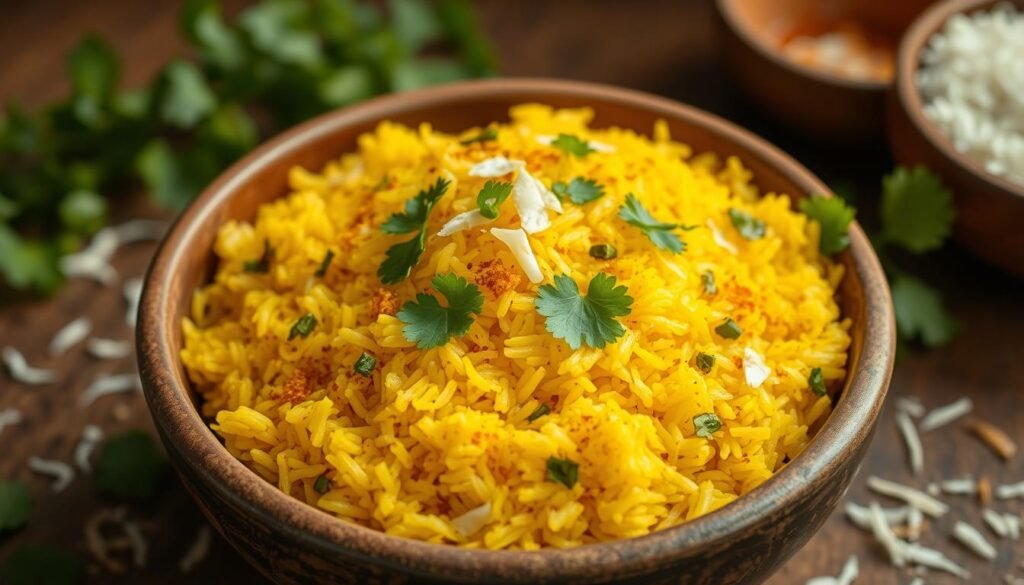
Try a few simple swaps and you can change the mood of this golden side in minutes.
Coconut variation: Replace part of the liquid with unsweetened coconut milk for a creamy texture and a gentle tropical aroma. This move adds body without extra steps and pairs well with spicy mains.
Garlicky butter option: Stir an extra spoon of melted butter and more minced garlic into the pot before cooking. For deeper savory notes, finish with a splash of poultry stock if you want a richer profile for chicken dishes.
Broth-forward vegan version: Use vegetable broth and a tablespoon of olive oil so the spice and bay leaf can shine. This keeps the result light and aromatic while staying plant-based.
- Brighten coconut versions with a squeeze of lemon after fluffing.
- Fold in peas or diced carrots once cooked for color and sweet contrast.
- Add a pinch of red pepper flakes or a dash of chili crisp for heat.
- Toast the grains briefly in a bit of butter if your pot allows for a nutty note.
- Sprinkle chopped cilantro or parsley for freshness and color.
| Variation | Key swap | Best pairing |
|---|---|---|
| Coconut turmeric rice | Replace part liquid with coconut milk | Curried vegetables, grilled fish |
| Garlicky butter | Melted butter + extra garlic | Lemony chicken, roasted vegetables |
| Broth-forward vegan | Vegetable broth + olive oil | Sautéed greens, tofu curry |
What to serve with turmeric rice
Matching bright, fragrant grains to a main helps you build balanced plates fast. This golden side pairs well with turmeric rich, saucy dishes and with grilled proteins that add texture.
Indian and Southeast Asian pairings:
- Serve with dal tadka, chickpea coconut curry, saag aloo, or aloo gobi for cozy, comforting dinners that highlight warm spice and color.
- Vegetable biryani or a simple dal make excellent vegetarian mains when you want layered aromatics.
- If you prefer protein, team the grains with pan-seared chicken or spiced tofu for a hearty, homey plate.
- Try lemony chicken or grilled skewers for a zesty, smoky balance to the golden side.
- Set up fajita-style vegetables—peppers, onions, and mushrooms—for a colorful, casual spread.
- For quick weeknights, rotisserie chicken or sautéed shrimp keeps prep minimal while the grains add character.
For groups, offer a simple yogurt sauce or raita to cool the plate. Add a crisp salad or quick-pickled onions for brightness. Finally, keep the pot warm on your rice cooker so everything is ready at the same time.
| Pairing | Why it works | Quick tip |
|---|---|---|
| Dal tadka | Comforting, saucy contrast | Serve with chopped cilantro |
| Lemony chicken | Zesty, savory balance | Add lemon wedges at table |
| Fajita vegetables | Colorful, smoky bite | Warm tortillas as a side |
Storing, freezing, and reheating your rice
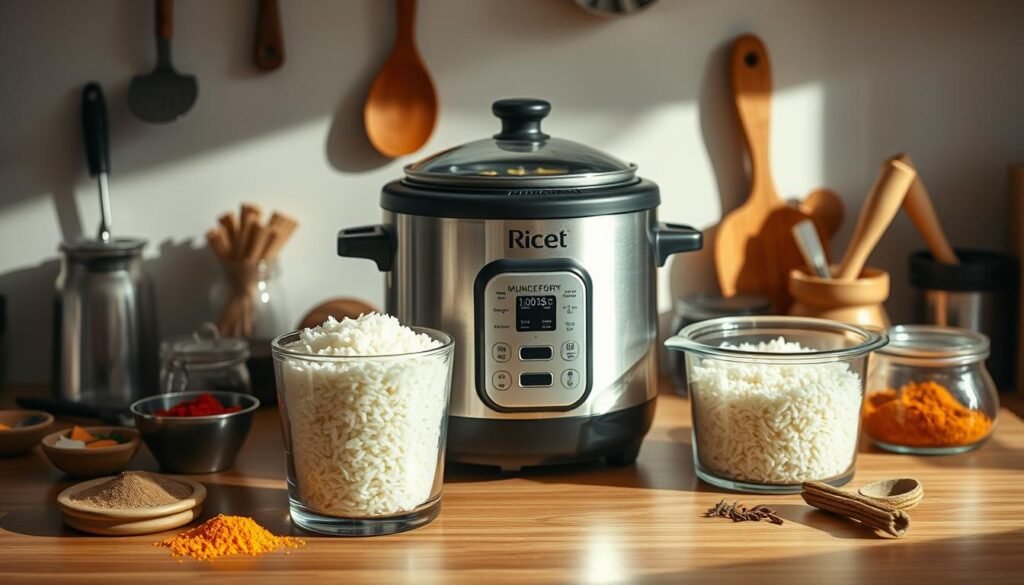
Cool cooked grains quickly and pack them right so you can enjoy leftovers that taste almost fresh. Move warm food into shallow, airtight containers and slide them into the fridge within an hour.
Refrigerate for 3–5 days in sealed containers. This keeps texture and flavor steady and reduces food-safety risk.
- For longer storage, spread the grains in a thin layer on a sheet and freeze until solid — about 120 minutes — then transfer to a freezer bag. Label with the date and portion size; frozen packs keep well for up to 1–2 months.
- To reheat, add a splash of broth or water and microwave covered, stirring between short bursts until steaming. This restores moisture quickly.
- You can also steam refrigerated or frozen portions for 10–15 minutes, or sauté in a warm pot with a little oil, adding liquid as needed to plump the grains.
| Method | Best for | Timing |
|---|---|---|
| Fridge | Daily meals | 3–5 days |
| Freezer | Meal prep | 1–2 months (tray-freeze ~120 min) |
| Reheat | Quick service | Microwave bursts or steam 10–15 minutes |
Food safety tip: Reheat leftovers only once and make sure they reach a steaming temperature. A quick stir of fresh herbs or a dab of butter refreshes flavor before serving.
Troubleshooting common rice cooker issues
When your grains don’t behave, a few quick checks will usually get you back on track.
Too wet or too dry: adjust liquid, rinse well, and rest on Keep Warm
If the grains come out too wet, reduce the water or broth by a small amount next time and make sure you fully drained rinsed grains before cooking.
If they seem dry, add a spoon or two of water, close the lid, and let the pot rest on Keep Warm so steam rehydrates the center.
Bitterness or staining: balance spice, add fat, and clean promptly
A heavy hand with turmeric powder can taste a bit sharp. Balance that with a pinch of salt and a touch of butter or oil to round the flavor.
Mix spices with the grains and liquid before starting to improve color and evenness. Clean the appliance and pot soon after serving; staining sets on silicone and plastic.
- Avoid opening the lid during the cycle to prevent stickiness.
- If the bottom browns, fluff right away and rest to soften crusty patches.
- Keep brief notes on water changes so you can fine-tune the recipe over the next batch.
| Issue | Fix | Quick note |
|---|---|---|
| Too wet | Reduce water, drain grains | Measure consistently |
| Too dry | Add 1–2 tbsp water, rest on Keep Warm | Short steaming restores moisture |
| Bitter | Salt + fat | Adjust powder amount |
Conclusion
Follow a steady ratio and a short rest, and you’ll get fluffy, evenly cooked grains every time.
This recipe gives you a reliable, repeatable base, using about 1 cup long‑grain or basmati rice to 1½ cups liquid with a pinch of turmeric, garlic, bay leaf, salt, and a tablespoon of butter or olive oil.
Run the White/Regular program, let the pot rest 5–10 minutes, then fluff. For jasmine, try a 1:2 rice-to-liquid ratio for a softer bite.
Store leftovers 3–5 days or freeze up to 2 months. Reheat with a splash of broth or water so the grain revives quickly. Use this golden side to support chicken mains, coconut dishes, or veggie plates and tweak spices to suit your taste.