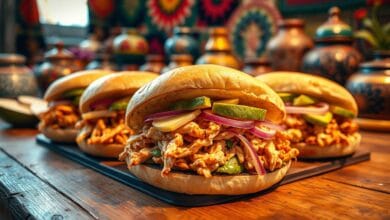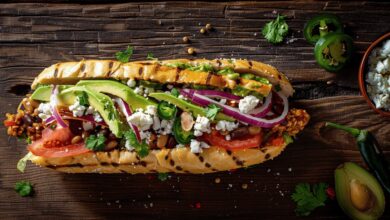
Pan para Tortas Mexicanas — I still remember the first time I split a warm loaf and the smell of butter and toasted harina filled my tiny kitchen. That moment taught me that making bread at home can be more than a task — it can be comfort you share with family.
This receta shows how to hacer pan and how to hacer tortas with an authentic telera-style loaf. You’ll learn about masa feel, the right ratio of agua to harina, and simple timing so you can bake with confidence.
We outline the full flow — mixing, kneading, bulk rise, shaping, proofing, and bake — with realistic tiempo estimates for a U.S. home oven.
Expect practical tips on dough texture and handling, ingredient roles, and small oven adjustments that help you reach that soft crumb and gentle split every time.
Key Takeaways
- Learn a clear receta to hacer pan at home for classic tortas.
- Understand the roles of harina, agua, fat, and salt in the masa.
- Follow realistic tiempo for mixing, proofing, and baking.
- Use touch and look cues to know when dough is ready.
- Adapt methods for common U.S. ovens to get a soft, sturdy loaf.
What Makes Pan para Tortas Unique in Mexican Sandwiches Today
Teleras and bolillos remain central to the modern sandwich scene because they combine structure with a tender bite.
Telera and bolillo: the classic rolls
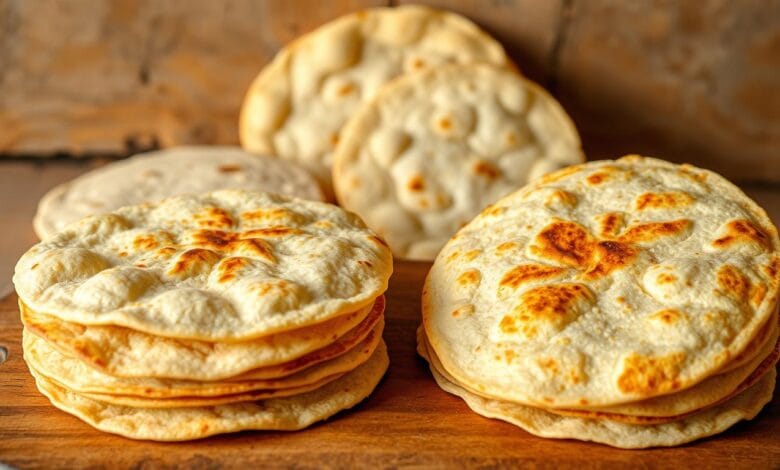
Teleras are known for their oval forma and two long indentations that make three sections on top. That signature shape keeps a soft crumb and a thin crust. Bolillos tend to be a bit pointier and longer in tamaño, which makes slicing tidy for larger sandwiches.
Key dough basics
The masa uses harina de fuerza for good estructura, levadura for lift, and just enough agua so the dough stays soft but workable.
Fat—either manteca or mantequilla—adds tenderness. Manteca gives a savory aroma; mantequilla brings a dairy note. A little aceite in the bowl prevents sticking during rises at casa.
- Sal is balanced to boost grain flavor without masking fillings.
- Proper proof keeps tamaño steady and prevents burst seams.
For more on related sandwich types, see types of Mexican sandwiches.
Pan para tortas mexicanas: step-by-step recipe (teleras)
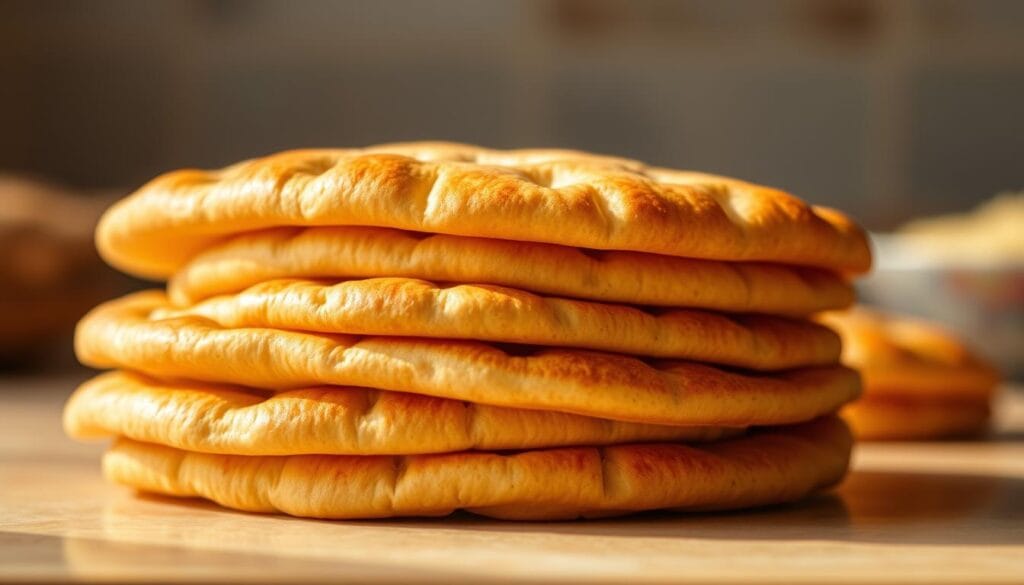
Use these measured ingredientes and simple steps to build a consistent masa and bake four tender teleras at home.
Ingredients and ratios
For 4 medium teleras: 335 g harina de fuerza, 180 g agua, 50 g manteca (or mantequilla), 15 g azúcar, 5 g levadura seca, 5 g sal.
Equipment checklist
- 1 mixing bol
- 1 rasqueta (bench scraper)
- 1 baking bandeja and papel de horno
- 1 silicone pincel
Masa: mix and knead
Whisk the dry harina, sugar, levadura, and sal in the bol. Warm the agua enough to melt the fat; stir until combined.
Pour over dry ingredients and use a rasqueta, cuchara, or your manos to start the mezcla. Knead by hand about 10 minutos until the masa is smooth, elastic, and slightly tacky.
First rise and shaping
Place the single bola in a lightly oiled bowl (a film of aceite), cover, and let it rise about 2 hours or longer if your casa is cool (mintiempo may vary).
Turn out, divide into 4, form tight bolas, rest, then flatten each to an oval about 1 in thick. Place on papel-lined bandeja and make two deep lengthwise marks with a cylindrical tool.
Proof and bake
Cover the shaped pieces while they proof until puffy and slightly wobbly. Preheat the horno to 190°C/375°F about 30 min before baking.
Make a brine of 5 cucharadas agua + 1 cucharada sal and brush with a pincel. Bake 15–20 minutos until dorado. Let cool briefly; these rolls are ideal for assembling tortas with a soft crumb and light crust.
Serving ideas, variations, and troubleshooting for homemade tortas
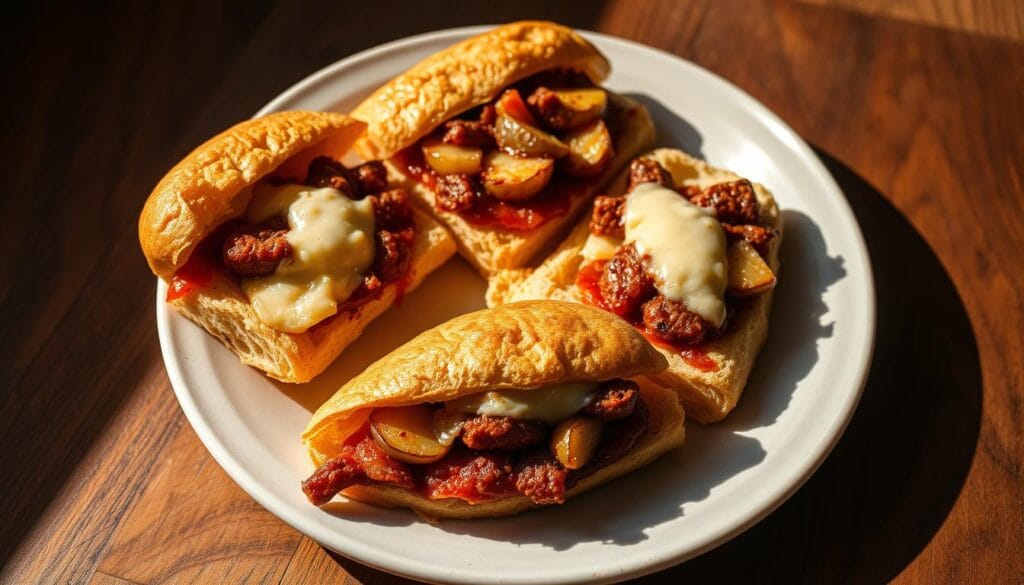
Simple finishing and storage choices will affect how your loaves hold fillings and taste the next day. Small swaps and consistent handling make big differences in final texture and flavor.
From oval to robust: shape, size, and crust
Keep teleras oval with two deep slashes to get a soft crust and light interior. For pambazos, shape a bit thicker and expect a sturdier crumb and different finish.
Adjust forma and tamaño by gently pressing after the bulk rise. If lines fade, the masa was overproofed or too slack; shorten the proof hora next time.
Flavor swaps and salt control
Mantequilla adds a buttery note and tender crumb; use it when fillings are delicate. Use manteca for a richer, traditional aroma that stands up to heartier meats.
For pan sal, the brine (5 cucharadas agua + 1 cucharada salt) gives a subtle finish. Reduce or skip for low-sodium needs.
Proofing, storage, and reheating
Cover shaped rolls with plástico to prevent skinning. In a casa fría, extend proof hora and mintiempo until the masa feels puffy.
Cool on a rack, store in a breathable bag for same-day use, or refresh in a warm horno briefly for next-day sandwiches. Use papel-lined trays for transport or display.
| Type | Shape & crust | Best use |
|---|---|---|
| Teleras | Oval, two slashes; soft crust | Delicate fillings, quick sandwiches |
| Pambazos | Thicker, robust crust | Hearty fillings, absorbent sauces |
| Storage tips | Cool fully, use breathable bag | Same-day eat, warm in horno for next day |
Conclusion
Pan para Tortas Mexicanas — By following these clear pasos, you now have a reliable receta to make telera-style rolls from a simple masa formula. With measured harina, agua, levadura, and sal, plus mixing by cuchara or by hand, you can hacer pan that holds fillings and slices cleanly.
Remember the timeline: about 10 minutos of kneading, a relaxed bulk rise, shape into a tight bola and oval, proof patiently, then bake in your home horno. Cover dough with plástico between stages and watch tiempo and hora to get an open crumb.
Scale the method for a crowd or a single batch, keep notes on min adjustments and hydration, and you’ll reproduce consistent results. For a related sandwich receta, see this quick guide on assembling a classic torta mexicana.