You may have stood over a hot pan, craving the comfort of scrambled eggs while wondering what’s in the bottle you just bought. I felt that same mix of curiosity and caution the first time I poured a plant-based liquid into my skillet.
This section breaks down what goes into that familiar pourable product and why it behaves like eggs in the pan. At its core, the formula relies on water and mung bean protein isolate to deliver about 5 grams of protein per serving and zero cholesterol.
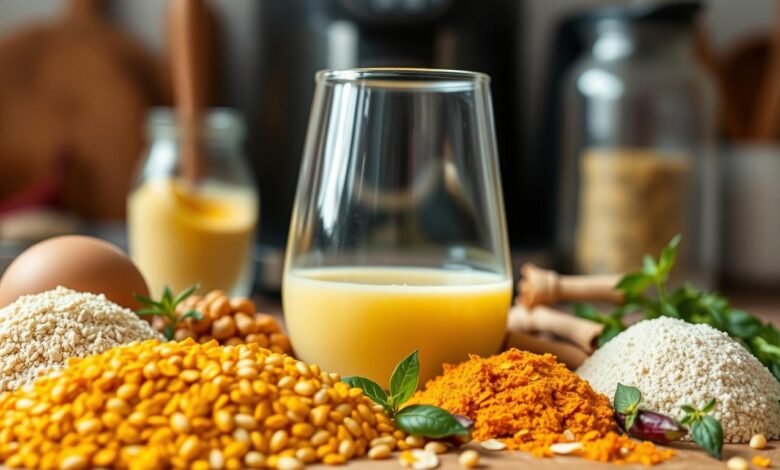
The commercial blend adds expeller-pressed canola oil for mouthfeel, natural carrot and turmeric extracts for color, and a few stabilizers and flavors to lock in texture. You’ll learn how mung beans and a bit of oil create the scramble-like mixture, and how simple pantry swaps can help you make vegan eggs at home with a blender.
Key Takeaways
- You get a clear breakdown of the product’s main components: water and mung bean protein isolate.
- Oils and plant extracts give color and mouthfeel that mimic scrambled eggs.
- A single serving offers about 5g protein and 0 cholesterol.
- Home versions can use soaked beans and a high-speed blender for a similar texture.
- Understanding additives helps you choose between store-bought and homemade options.
The plant-based egg, explained: what you’re actually pouring into the pan
You can treat the bottle as a simple kitchen hack. It’s a pourable, plant-protein mix that behaves like scrambled eggs when heat meets fat and stabilizers.
What is this product and why mung beans?
At the core is mung bean protein, which gels and firms when heated. Water and a neutral oil give it fluidity and mouthfeel. That combo creates a bean egg or mung bean egg that sets in the pan much like traditional eggs.
From color to texture: how commercial formulations mimic eggs
Manufacturers add dehydrated onion, carrot and turmeric extracts for color and scent. Emulsifiers and binders—like gellan gum or tapioca syrup—hold the mix together.
For home cooks, a copycat recipe using soaked split mung beans or moong dal, soy milk, and chickpea flour can get very close. Finish with a pinch of kala namak and salt for that sulfur note.
| Feature | Commercial | Homemade swap |
|---|---|---|
| Base protein | mung bean protein isolate | soaked split mung beans / moong dal |
| Emulsifier / binder | soy lecithin, gellan gum | soy milk lecithin, chickpea flour, xanthan gum |
| Color & flavor | carrot & turmeric extracts, dehydrated onion | turmeric, kala namak, garlic powder |
| Fat & mouthfeel | expeller-pressed canola oil | neutral oil (canola or avocado) |
Just egg ingredients
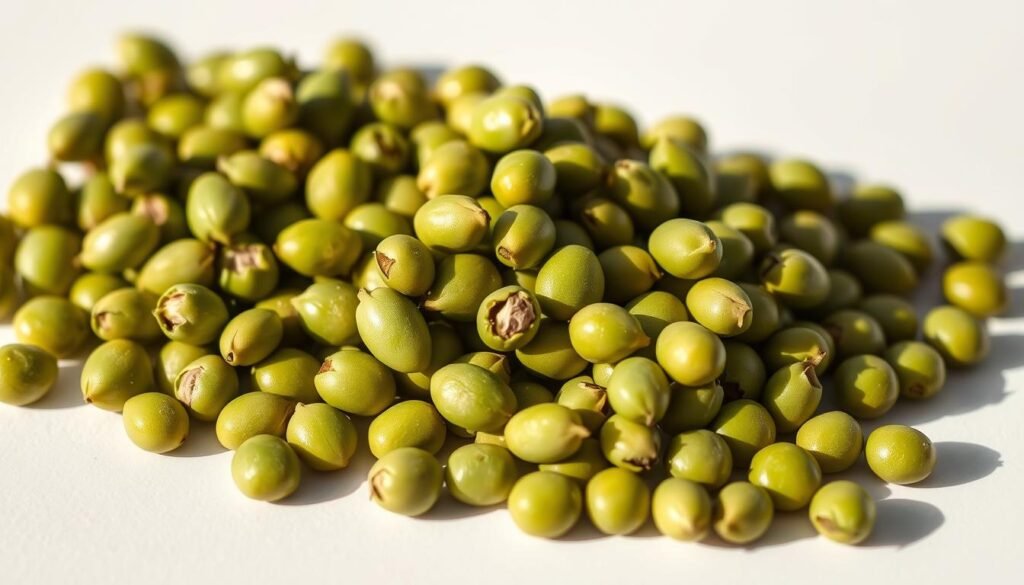
At the heart of the formula are three simple components: water, mung bean protein isolate, and expeller-pressed canola oil. Water gives pourability and helps the mix steam and set. The mung bean protein builds structure so the blend firms like scrambled eggs.
Flavor and color boosters
Small additions—dehydrated onion, natural carrot and turmeric extractives—create color and a savory note. A pinch of black salt or a dash of garlic powder in a DIY bean egg mixture adds that familiar aroma.
Binders, thickeners, and preservatives
Gellan gum, tapioca syrup, soy lecithin, potassium citrate and tetrasodium pyrophosphate stabilize texture so the product cooks consistently. Transglutaminase helps the protein network bind, while nisin preserves freshness.
- Commercial choices give a reliable mouthfeel and about 5g protein per serving with zero cholesterol.
- Home swaps: split mung or split mung beans, nutritional yeast for savory depth, and salt to taste.
- Plan for a few extra minutes in the pan—the mung bean egg can take a bit longer to set than eggs.
Make it at home: the mung bean egg mixture you can blend today
You can recreate a pourable, scramble-ready mix using pantry staples and a blender. Start with soaked split yellow moong dal for a smooth, protein-rich base. A quick blend with liquid and oil gives a pourable bean egg you can cook like scrambled eggs.
Core pantry list
Use split mung beans (soaked), water or unsweetened soy milk, and a neutral oil. Unsweetened soy milk helps emulsify thanks to natural lecithin.
Flavor and texture boosters
Add kala namak (black salt), nutritional yeast, turmeric, and a touch of garlic powder for that savory, eggy profile. For lift and cohesion, mix in chickpea flour, a pinch of baking powder, or ⅛ tsp xanthan gum.
Two tested blueprints
| Version | Primary ratio | Seasoning | Texture helpers |
|---|---|---|---|
| Weekday quick | ½ cup soaked split mung beans + ½ cup water + 1 Tbsp oil | 1 Tbsp nutritional yeast, ½ tsp turmeric, ½ tsp black salt, ¼ tsp garlic powder, ¼ tsp vinegar | — (blend smooth) |
| Richer brunch | ¾ cup split yellow mung + 1 cup soy milk + 2 Tbsp oil | 4 tsp nutritional yeast, ⅛ tsp turmeric, ½ tsp black salt | 1 Tbsp chickpea flour, ⅛ tsp xanthan gum, ¼ tsp baking powder |
- Blend until silky and pourable; cook over medium low for best set.
- Expect a bold, savory vegan egg that’s very close to store versions.
Step-by-step: soak, blend, and scramble for a vegan breakfast
Get ready—this short guide walks you from rinsing split mung to soft curds in the pan. Follow clear, timed cues so your egg mixture cooks tender and stays creamy.
Soak and rinse
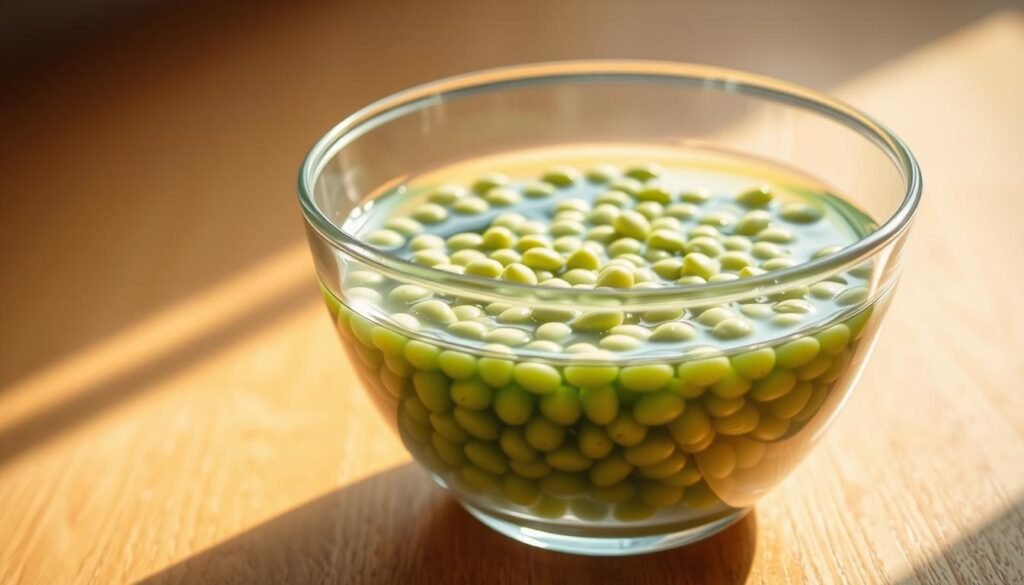
Rinse split mung beans thoroughly, then place them in a bowl and cover water. Soak 6–8 hours or overnight.
Drain and rinse again to cut beany flavor. Well-hydrated beans make a smoother blend and a cleaner-tasting breakfast.
Blend to silky
For a small batch, combine soaked mung with ½ cup water or soy milk, 1 Tbsp neutral oil, kala namak, turmeric, ¼ tsp garlic powder, nutritional yeast, and 1 tsp vinegar. Add ⅛ tsp xanthan or 1 Tbsp chickpea flour if you want more body.
Use a high-speed blender for 1–3 minutes until the mixture is completely smooth and pourable. Aim for a steady stream when you lift the lid.
Into the pan
Preheat a lightly oiled nonstick pan over medium. Pour a thin layer and let edges set for 1–2 minutes.
Gently stir to form soft curds and cook another 1–2 minutes. If the egg mix separates, shake or re-blend briefly before returning to the pan.
- Conversion: ½ cup soaked beans makes about one cup of egg mix.
- Quick tip: add garlic at blending, not during cooking, for even flavor.
Cook like a pro: nonstick technique, texture tweaks, and timing
Heat control and a slick pan are the secret to getting a tender, scramble-like set without any sticking. Use a well-oiled nonstick or a well-seasoned cast iron skillet over medium heat. Preheat the pan so the surface is evenly hot before you add oil and pour the mixture.
Pan, oil, and heat: preventing stickage and getting that eggy set
Give the batter 1–2 minutes undisturbed once it hits the hot pan. That time lets curds form so you can fold gently without tearing.
Tip: Add a thin sheen of oil, pour when the surface shimmers, and use a silicone spatula to lift from the bottom.
Troubleshooting texture: too beany, too wet, or too rubbery
If the mix tastes too beany, rinse soaked mung beans thoroughly before blending and keep fridge time short—best within two days for milder flavor. Add a pinch of salt and a touch of acid to balance.
Too-wet? Spread thinner, cook a bit longer over steady medium heat, and avoid crowding the pan. Rubber-y results mean you cooked too long or stirred too aggressively; lower the burner and shorten the minutes on heat.
- Do not freeze the batter—thawed emulsions separate and fail to set the right way.
- Adjust garlic or spice powder modestly to round flavor without masking the core profile.
Delicious ways to use your vegan egg (store-bought or homemade)
Make the most of your bottle or blender-made mung bean egg with quick wins for breakfast and brunch. Small changes in pour thickness, heat, and a pinch of black salt or kala namak will change the outcome from soft curds to foldable omelets.
Everyday scrambles and omelets: For soft scrambled eggs, pour thinly into a warm nonstick pan and stir gently. For omelets, pour a thicker layer, cover, and cook 3–4 minutes over medium-low before adding fillings and folding.
Sandwiches, burritos, and casseroles: Slide warm egg mix into a breakfast sandwich or burrito with sautéed veggies and dairy-free cheese. You can also fold the mix into casseroles that reheat well for busy mornings.
Baked dishes that hold: Use a slightly thicker batter and pour into rings for baked patties, or mix with sautéed greens for frittatas and quiche that slice cleanly.
- Layer flavor with garlic powder, nutritional yeast, a touch of pepper, and turmeric for depth.
- Adjust water and oil to tune texture: thinner for curds, richer for firm patties.
- Use a nonstick pan and gentle heat to prevent sticking and keep the interior tender.
| Use | Pour consistency | Pan & heat | Cook minutes |
|---|---|---|---|
| Soft scramble | thin | nonstick, medium | 2–3 minutes |
| Foldable omelet | thicker | nonstick, medium-low, covered | 3–4 minutes |
| Baked patty / frittata | thick | oven-safe pan or ring | 12–18 minutes |
| Breakfast sandwich / burrito | medium | nonstick, medium | 3–5 minutes |
Conclusion
,In short, you now know how store bottles use water and mung bean protein isolate with stabilizers and color boosts to cook like traditional eggs with zero cholesterol.
You can also make a smooth homemade mixture from soaked split yellow mung, soy milk for natural lecithin, and simple binders like chickpea flour or xanthan gum. Use kala namak and nutritional yeast to dial in an eggy flavor.
Plan for refrigeration: use small batches within a few days and avoid freezing to keep texture. With this recipe roadmap, you’re ready to scramble, fold, or bake a reliable vegan breakfast that fits your schedule.