

Diabetic Friendly Pancakes—Start your morning with a plan that balances flavor and steady blood sugar. This short intro shows two practical pancake paths: an almond-flour low-carb approach and a fall-harvest whole-grain option you can use depending on taste and goals.
You’ll learn simple technique tips—cook low and slow on a nonstick pan, flip when the skillet side firms halfway, and use the right scoop size so results stay consistent. Small batter tweaks and timing make a big difference.
We also cover how protein, fiber, and healthy fats from smart ingredients and toppings help keep you full. You’ll get clear serving ideas, timing cues, and quick swaps for milk, sweeteners, and oils.
Key Takeaways
- This recipe shows two reliable batter paths to match your meal goals.
- Technique—low heat, nonstick surface, correct scoop—matters as much as ingredients.
- Combine protein, fiber, and healthy fats to support stable blood sugar.
- Find quick serving ideas and timing cues for consistent results.
- Smart swaps and freezing tips make weekday prep easier.
- This article contains affiliate links to tools and syrup alternatives.
Why These Pancakes Work for Blood Sugar Balance
Your batter choice sets the tone for how your body handles breakfast carbs. Choose a nut-based batter for fewer carbs or a whole-grain mix to add fiber and chew. Both can support steady energy when you portion and pair them right.
Low carb options vs. whole grain balance
Low carb almond flour lowers the overall carb load per serving and adds fats and protein that help stabilize blood sugar. The fall-harvest whole-grain route uses applesauce and modest added sugar to keep flavor while limiting sugar levels.
How fiber, protein, and fats help
Combine eggs, nuts, yogurt, or seeds with a grain base to slow digestion. Fiber in whole grain slows glucose release. Protein and healthy fats blunt sudden blood sugar spikes and keep you full longer.
- Plan your time and portions: consistent scoop sizes make carb counts predictable.
- Pair with a protein side for a smoother glucose curve.
- People type and lifestyle matter—some days suit low carb, other days whole grain.
| Trait | Almond Flour | Whole Grain | Cooking Tip |
|---|---|---|---|
| Carb per pancake | Lower | ~18g (1/3-cup scoop) | Use consistent scoop size |
| Satiety | High (fat & protein) | High (fiber) | Pair with eggs or yogurt |
| Impact on sugar levels | Smaller rise | Moderate, slower rise | Cook low and slow |
| Best for | Low carb days | Balanced grain days | Adjust by type diabetes needs |
Diabetic Friendly Pancakes: The Core Recipe Overview
Get a quick snapshot of what to expect from the batter, cook time, and how many people a batch serves.
Prep, cook time, and serving size at a glance
Two clear paths: mix wet and dry separately for the almond flour route, or whisk everything in one bowl for the fall harvest recipe. Measure dry ingredients in a bowl first to ensure even distribution before combining with eggs and milk.
Plan on medium-low heat with a nonstick pan. Almond flour cakes typically cook 1–2 minutes per side, though some low-and-slow skillets need 4–6 minutes on the first side until the batter firms.
- Use a 1/4-cup scoop for the almond flour version and a 1/3-cup scoop for the fall harvest to keep portions and carb counts consistent.
- Two to three small cakes with a protein side usually make a balanced meal for most people.
- Watch batter thickness—almond flour batters can be thinner and darken faster; reduce minutes or heat to avoid over-browning.
| Item | Almond Flour Method | Fall Harvest Method |
|---|---|---|
| Heat | Medium-low; nonstick | Griddle at 250°F |
| Scoop size | 1/4 cup | 1/3 cup |
| Cook time | 1–2 min/side (some pans 4–6 min first side) | About 12 pancakes per batch; ~18g carbs each |
| Mixing | Whisk dry then wet in separate bowl | One-bowl batter |
Ingredients You’ll Need (and Smart Swaps)
A few smart swaps in the pantry help you balance flavor, texture, and blood sugar control. Start by picking your flour base: use blanched almond flour for the low carb path or a whole-grain blend plus a touch of all-purpose for the fall-harvest version.
Dry ingredients: measure flour, baking powder, and a pinch of salt in a bowl so the leavening is even. Do not substitute coconut flour for almond flour—its absorption will ruin the batter.
Wet ingredients: use eggs for structure, almond milk or 1% milk for moisture, and vanilla for aroma. Add a neutral oil like avocado or light olive oil, or use coconut oil for a tender crumb and subtle flavor.
Sweetness strategy: keep added sugar low. Lean on applesauce, warm spices, or a little maple on top. This approach helps limit blood sugar spikes while keeping the recipe satisfying for most people.
- Measure dry ingredients first to distribute baking powder and salt.
- Choose almond milk for a lighter batter or 1% milk for extra richness.
- Spices (cinnamon, nutmeg, cloves) add flavor without added sugar.
| Choice | Best Use | Why it matters |
|---|---|---|
| Blanched almond flour | Low carb option | Lower carbs, tender texture; no coconut flour swap |
| Whole-grain + AP flour | Fall-harvest recipe | More fiber and familiar texture for people who want whole grains |
| Almond milk / 1% milk | Moisture and richness | Almond milk keeps it dairy-light; 1% adds a bit more body |
Equipment Check: Griddle, Nonstick Pan, and Measuring Essentials
Start with the right tools so your batter behaves and cooking stays predictable. The right pan and measuring gear cut down on mistakes and help you keep portions consistent for blood sugar control.
Why nonstick matters for almond flour
Almond flour lacks a gluten network, so cakes are more fragile. A reliable nonstick skillet or an electric griddle prevents tearing and burning. Lightly grease with a thin film of oil or cooking spray to aid release and avoid scorching.
Using a 1/4–1/3 cup measuring cup for even portions
Use a 1/4-cup scoop for almond flour and a 1/3-cup scoop for the fall-harvest batch to keep carbs consistent. Measuring scoops help you control portions and estimate minutes per batch for timing.
- Set electric griddles near 250°F for even browning.
- Keep a thin, flexible spatula on hand; two spatulas make delicate flips cleaner.
- Wipe and re-grease lightly between batches and cook small batches so you can adjust heat in real time.
| Tool | Why it matters | Tip for people cooking |
|---|---|---|
| Nonstick skillet | Prevents sticking with tender batter | Use light oil and low heat |
| Measuring cup | Keeps portions steady | 1/4 or 1/3 cup depending on recipe |
| Electric griddle | Consistent surface temp | Set to 250°F for uniform results |
This blog may include product picks and contains affiliate links; check those affiliate links if you want gear recommendations that fit your kitchen and budget.
Step-by-Step: Mixing the Batter the Right Way
A reliable batter begins with organized mise en place — measure flour, powder, and salt into one bowl first. This keeps leavening even and avoids pockets of bitter or flat flavor.
Combine dry ingredients first for even rise
In a bowl, whisk your chosen flour, baking powder, and salt until uniform. This ensures the powder is evenly distributed so each pancake rises the same.
Whisk wet ingredients in a separate bowl
In another bowl, beat the eggs with almond milk or milk, vanilla, and a little oil until smooth and lightly frothy. Pour the wet mix into the dry and stir gently.
Adjusting batter thickness with almond milk or water
Expect an almond-flour batter to be thinner. If it’s too thick for clean pours, add a splash of almond milk or water. If it runs too thin, fold in a touch more almond flour until it ribbons slowly.
- Use a measuring cup to keep each portion even; this helps people track portions and cook time.
- Taste lightly for salt and vanilla balance; add a small low-glycemic sweetener if desired to protect blood sugar.
- Let the batter rest a minute so dry ingredients hydrate — a slightly lumpy mix beats overworked batter.
| Step | What to do | Why it matters |
|---|---|---|
| Dry mix | Whisk flour, powder, salt in one bowl | Even rise and flavor distribution |
| Wet mix | Whisk eggs, milk/almond milk, vanilla, oil separately | Smooth batter and consistent texture |
| Combine & adjust | Fold wet into dry; thin with milk or thicken with more flour | Right pour consistency for predictable cooking |
| Portion | Use a cup for even scoops | Consistent size and carb estimates for people |
On the Griddle: Heat, Timing, and the Perfect Flip
Set your pan to medium‑low heat so the cakes brown gently while the centers firm up. This prevents dark edges and gives you predictable cook time for each cake.
Preheating and surface cues
Warm the nonstick surface evenly. For gas, aim near level 3. If you use an electric griddle, 250°F is a good baseline. Let the pan reach temperature before you drop batter.
Watching the top vs. the edge
Almond flour batters rarely bubble on the top. Instead, watch the edges for firmness and easy release from the pan. Flip when the underside shows an even, golden color.
Low-and-slow cooking and timing
Aim for small cakes; once the pan is dialed in they need about 1–2 minutes per side. On some skillets the almond flour version takes 4–6 minutes on the first side—be patient. If the pan builds residual heat, lower it between batches.
- Use a light film of oil or coconut oil so cakes release and brown without a greasy finish.
- For delicate batter, support each cake with two spatulas when you turn it.
- Keep scoop size consistent so minutes per cake stay predictable and you avoid blood sugar spikes from hurried, burned bits.
- Sprinkle a touch of powder (flour) on a single test cake only if you need a visual guide; rely mainly on color and edge set.
| Tool | Guide | Why |
|---|---|---|
| Nonstick skillet | Medium‑low, level 3 gas | Prevents sticking with thin batter |
| Electric griddle | 250°F baseline | Even surface temp for repeatable timing |
| Spatulas | Two for delicate flips | Supports fragile cakes during turn |
Toppings and Pairings That Keep You Satisfied
Toppings and sides can turn a simple stack into a balanced meal you actually want to eat. Pick a couple of favorites and repeat them through the week for easier planning and steady results.
Greek yogurt, berries, and nutty crunch
Add a dollop of greek yogurt for extra protein and creaminess, then top with fresh berries for fiber and natural sweetness. Sprinkle chopped nuts or seeds to add a nutty crunch and healthy fats that slow carb absorption.
Savory sides: eggs, ham, or turkey for protein
Pair your stack with eggs, ham, or turkey to create a fuller plate. This builds a stronger protein base so people stay satisfied and avoid mid-morning spikes in blood sugar.
- Drizzle a light amount of syrup or choose a sugar-free option to keep sweetness in check.
- Swap jam for sliced strawberries, blueberries, or blackberries for a lower-carb touch.
- Add a splash of almond milk to coffee if you prefer a dairy-light complement to the meal.
- Rotate toppings—yogurt one day, nut butter and banana another—to keep recipes interesting.
| Top choice | Why it helps | Serving idea |
|---|---|---|
| Greek yogurt | Protein, creaminess | 1–2 tbsp with berries |
| Chopped nuts/seeds | Healthy fats slow carbs | Sprinkle 1 tbsp |
| Eggs / lean ham | Adds satiety and protein | 1–2 eggs or 2 oz ham |
| Light syrup or sugar-free | Flavor without excess sugar | Use sparingly to top |
Two Delicious Directions: Almond Flour or Fall Harvest
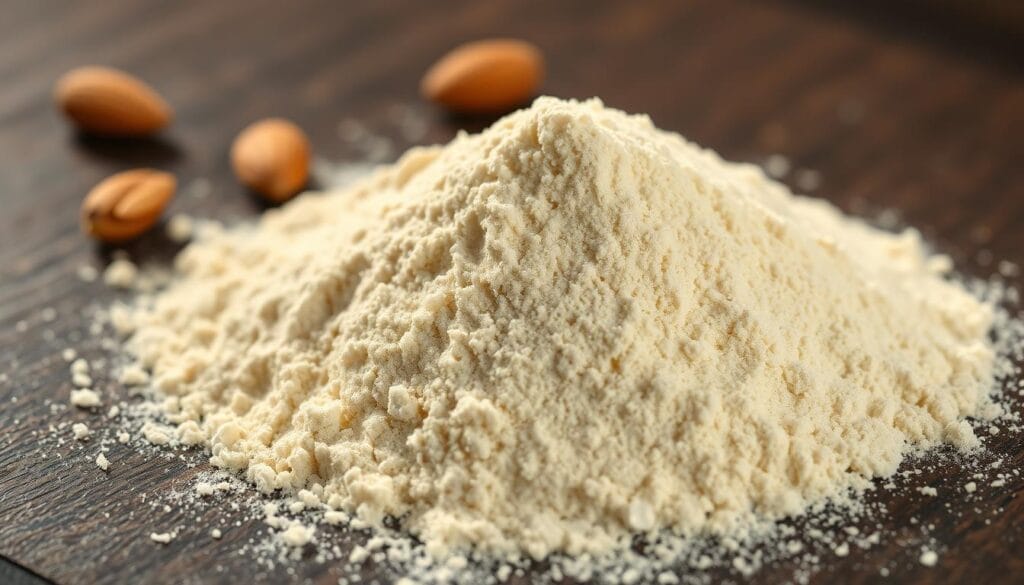
Choose a batter path that matches your morning goals — light and low in carbs or cozy with whole grain and apples. Below are clear cues so you can pick the version that fits your time and taste.
Almond flour cakes: light, nutty, and quick
Use blanched almond flour for a tender crumb. Keep cakes small and use a 1/4‑cup scoop so each cooks evenly.
Cook on medium‑low. Expect about 1–2 minutes per side. Add a hint of vanilla and a touch of maple in the batter, then drizzle a modest amount of syrup or choose a sugar‑free option.
Fall harvest: apple, cinnamon, and whole grain
The fall harvest route blends whole grain and all‑purpose flour with applesauce and warm spices. Preheat a griddle to 250°F and portion with a 1/3‑cup scoop; a typical batch yields about a dozen cakes.
Each fall harvest cake is roughly 18g carbs. Pair with eggs or greek yogurt and choose milk or almond milk depending on pantry and preference to keep the plate balanced for steady blood sugar.
- Almond flour = lower carb, fast cook time, nutty aroma.
- Fall harvest = cozy spices, whole grain texture, pairs well with protein.
- For brunch, offer both with yogurt, fruit, and simple toppings so people type can build a plate that fits their goals.
| Direction | Scoop | Cook cue |
|---|---|---|
| Almond flour | 1/4 cup | 1–2 minutes per side; browns quickly |
| Fall harvest | 1/3 cup | Griddle at 250°F; yields ~12 cakes (~18g carbs each) |
Portioning, Carbs, and Blood Sugar-Friendly Serving Ideas
Deciding on one measuring cup before you cook saves time and keeps servings predictable. Start with a set scoop and a simple plate plan so you can track carbs without guesswork.
Using consistent scoop sizes for accurate carb counting
Choose and stick to a measuring cup: use a 1/4 cup for the almond flour route or a 1/3 cup for the fall harvest. The fall harvest 1/3-cup scoop yields about 12 cakes at ~18g carb each.
Portion by count, not eye. Two to three small cakes plus a protein keeps carb exposure steady and makes nutrition logging easier.
Pairing strategy to minimize blood sugar spikes
Pair pancakes with protein and healthy fats to blunt sugar spikes and smooth blood sugar levels.
- Add a side of eggs, a spoon of nut butter, or cottage cheese for better satiety.
- Use a simple powder dry-mix template or a nutrition tracker to estimate per-pancake carb and sugar levels.
- Keep a timing routine—cook each cake the same minutes per side once your pan is set—to keep servings consistent.
| Tip | Why it helps | How to do it |
|---|---|---|
| Measure with one cup size | Keeps per-pancake carb consistent | 1/4 cup (almond) or 1/3 cup (whole grain) |
| Plate by count | Controls total carbs and sugar levels | 2–3 small cakes + protein |
| Record your combo | Repeat a plate that suits people type diabetes needs | Log portion, toppings, and timing |
Flavor Boosters: Vanilla, Spices, and Syrup Alternatives
You can boost aroma and depth with vanilla and warm spices while keeping added sugar low. A teaspoon of vanilla smooths flavors in both almond and whole-grain batter without extra sweetness.
Build bakery-level aroma with cinnamon, nutmeg, and a pinch of cloves or ginger. Fold spices into the dry ingredients so they distribute evenly without overmixing the batter.
Use a touch of coconut oil in the pan or a tablespoon in the mix for a tender crumb and mild tropical aroma. For a dairy-free twist, almond milk keeps flavors clean and bright.
Choose syrup smartly: pick a quality sugar-free syrup or a modest drizzle of pure maple. For a DIY option, see this keto maple syrup recipe that keeps sweetness controlled.
- Add citrus zest (lemon or orange) to brighten fruit-forward stacks.
- Top with toasted nuts or seeds for crunch and minimal sugar impact.
- If you run a cooking blog, note spice ratios so readers can replicate results reliably.
| Booster | Best Use | Effect |
|---|---|---|
| Vanilla | All batter types | Rounds flavors without sweetening |
| Warm spices | Fall-harvest and whole-grain | Adds aroma, reduces need for added sugar |
| Coconut oil / almond milk | Pan or batter | Tender crumb, mild aroma, dairy-free option |
| Syrup alternatives | Topping | Flavorful sweetness with lower sugar impact |
Make-Ahead, Freezing, and Reheating Without Drying Out
Batch your batter and freeze smart. Batch-making saves time and helps you finish a quick meal in minutes on busy mornings. Freeze the fall harvest and almond-flour stacks so you can mix and match through the week.
Cool first, then pack. Let cakes cool on a wire rack so steam escapes. Layer sheets of parchment between pancakes and store in airtight containers or freezer bags. Label each bag with the date and the flour used.
Reheat tips that revive texture
- Use a low oven or toaster oven for a few minutes to restore a crisp edge without drying interiors.
- Skillet reheat: brush lightly with oil and warm on low; almond-flour cakes need gentler heat.
- Avoid long microwave bursts; they make crumbs soggy. Warm only what you’ll eat.
- Portion pancakes in pairs so you can add eggs or yogurt straight from the fridge for a balanced bowl-style breakfast.
| Step | Method | Why it helps |
|---|---|---|
| Cool | Wire rack, room temp | Prevents soggy layers before freezing |
| Store | Airtight + parchment | Stops sticking and preserves texture |
| Reheat | Toaster oven / low oven / skillet | Revives crunch, keeps centers moist |
| Serve | Portion pairs + eggs/yogurt | Faster meal prep and steadier blood sugar |
Troubleshooting Texture: Too Dense, Too Thin, or Sticking

Most texture fixes start with the stove dial and a quick batter check. Before you call it a fail, scan the pan and test a single cake. Small adjustments often bring the whole batch back on track.
When pancakes darken too fast
If cakes brown too quickly, reduce heat and add a few extra minutes so centers set without burning. Almond flour darkens faster; lower the pan temp as it retains heat. Wipe and re-grease the surface lightly between batches to avoid hot spots.
Fixing delicate edges and broken flips
Use smaller portions so edges set faster. If edges tear, support flips with two spatulas and turn gently.
- If your batter is too thin, add a spoonful of almond or whole-grain flour.
- If it’s too thick, whisk in a splash of almond milk to loosen the mix.
- Combine dry ingredients in a bowl so baking powder distributes evenly and avoids dense spots.
- Sticking usually means the pan wasn’t hot enough, not enough oil, or you flipped too early—wait for edge firmness and easy release.
- A pinch more salt can lift flavor if the top tastes flat; don’t overdo it.
- Overmixing collapses lift—stir just until combined to protect air and rise.
- If tops don’t bubble (common with almond flour), flip when edges are set and underside is golden.
- If density persists, check your baking powder freshness; inactive leavening makes heavy cakes.
| Problem | Likely Cause | Quick Fix | Why it helps |
|---|---|---|---|
| Dark outside, raw inside | Pan too hot | Lower heat; add 1–2 minutes | Prevents burning while centers cook |
| Sticky / torn edges | Pan not preheated or flip too soon | Preheat longer; wait for edge set; use two spatulas | Improves release and supports delicate cakes |
| Too thin batter | Too much liquid | Add 1 tbsp flour per thin batch | Restores pourable but not runny texture |
| Dense, flat cakes | Old baking powder or overmixing | Replace leavening; fold gently | Restores lift and lighter crumb |
For specific almond options, try this almond flour recipe to compare batter behavior and timing. Adjust your time per side until you get a golden underside and a firm edge that resists sticking.
Affiliate Tips and Tools We Love (contains affiliate links)
Choosing the right pan and a few well-tested gadgets helps you nail texture every time. These picks save time, reduce waste, and make your morning routine more predictable.
Nonstick skillet, electric griddle, and syrup picks
Nonstick skillet: a flat, even surface helps delicate batter release and brown without tearing.
Bella electric griddle: steady heat and lots of room let you cook many cakes at once for batch breakfasts.
- Keep a neutral oil or spray to lightly grease between batches so the surface doesn’t smoke.
- ChocZero sugar-free syrups are a practical option if you want sweetness with less glucose impact.
- Slim, flexible spatulas and a batter dispenser speed portioning and protect edges during flips.
- Use a surface thermometer or the griddle gauge to hold a target temp for even results.
- Stacking racks or a warm oven help you hold finished stacks tender while you finish cooking.
| Tool | Why it helps | Best use |
|---|---|---|
| Nonstick skillet | Releases fragile cakes | Small batches, delicate batter |
| Bella griddle | Even heat, big surface | Batch cooking |
| ChocZero syrup | Lower sugar topping | Finishing touch |
Note: this page contains affiliate links to tools that make cooking easier. If you run a blog, linking to trusted gear helps readers replicate your recipes and routines.
Who These Pancakes Fit: Type 1, Type 2, and Low Carb Lifestyles
Choose the batter and portion size that work with your usual insulin or carb strategy. If you live with type diabetes, you can tailor recipes—lower-carb almond flour or a balanced whole-grain mix—to match your morning routine.
People type 1 who dose insulin may prefer fall-harvest cakes while counting carbs and adjusting doses to keep sugar levels steady. People type 2 might favor almond flour days or smaller whole-grain portions to help blunt sugar spikes.
- Pair with eggs, greek yogurt, or lean meat to add protein and fiber and reduce sugar spikes.
- Use simple whole-grain flour swaps and modest sweetness so the plate feels satisfying without excess carbs.
- Keep notes on portions and toppings so you can repeat combinations that work for you.
- Talk with your care team if you change breakfast carbs significantly to keep blood sugar levels managed.
| Who | Best approach | Why |
|---|---|---|
| People type 1 | Count carbs; fall-harvest + dose | Precise dosing keeps sugar levels predictable |
| People type 2 | Almond flour or smaller whole-grain portions | Lower carbs help reduce sugar spikes |
| Low carb lifestyle | Almond flour days + protein | Supports satiety and steady morning energy |
Internal Recipe Ideas to Round Out Your Meal
Keep a core list of go-to recipes to make healthy mornings fast and reliable. That way you can pick a balanced plate without extra thinking. Rotate options across the week so you get variety and steady energy.
Quick breakfast and snack ideas include Greek yogurt parfaits, eggs with sautéed greens, and bowls built from leftover roasted veggies topped with a fried egg. Small prep steps—batch-roasted veggies, mini frittatas, or toasted nuts—make assembly fast.
For a sweeter morning, layer yogurt, nuts, and a small portion of fruit. For savory, try Greek yogurt with smoked salmon and chives on the side. These recipes focus on protein, fiber, and healthy fats to help keep your blood sugar steadier between meals.
- Rotate recipes through the week: pancakes one day, eggs and greens another.
- Snack shortlist: Greek yogurt with berries, apple slices with nut butter, cottage cheese with cinnamon.
- Prep mini frittatas or egg muffins for portable meals paired with one or two pancakes.
| Option | Why it helps | Serving idea |
|---|---|---|
| Greek yogurt parfait | Protein + fruit for fiber | 1 cup greek yogurt, berries, 1 tbsp nuts |
| Egg + greens bowl | Protein and veggies | 1 fried egg, roasted greens, sprinkle seeds |
| Apple + nut butter | Quick, filling snack | 1 small apple, 1 tbsp almond butter |
| Mini frittata | Make-ahead protein | 2 pieces with a side of fruit |
Conclusion
Wrap up your morning routine with a simple strategy that balances flavor, carbs, and predictable timing. Use the almond flour path for lower carbs and the fall-harvest whole grain route for cozy texture. Both approaches help steady blood sugar when you portion and pair them right.
Keep added sugar modest and let vanilla, cinnamon, and thoughtful toppings carry flavor. Measure with a consistent scoop and cook on a nonstick pan or a 250°F griddle so texture and timing stay reliable.
Use this recipe framework to pair pancakes with protein and fiber. That combo supports steadier blood sugar and fits into routines for people managing type diabetes.
Note your preferred flour, portion, and time per side so you can repeat what works. Share combos with family and enjoy a quick, balanced stack any morning.
